
Why chapters
Washington is where laws pass. States are where life happens.
Your rent, your property taxes, your kid's school funding, your occupational license, your utility rates — most of it is decided in a state capitol, not the U.S. Capitol.
That's why 120K or Less is not designed as a national office with a mailing list. It's designed as a federation: a national organization for the fights that are national, and a chapter in every state for the fights that are not. Chapter members elect their own state leadership, set their own local priorities within the national platform, and answer to the members in their own state — nobody else.
More than 150 million Americans received wages in 2023 (SSA). They live in every county in the country. The organization that represents them has to be there too.
The chapter model
How a state chapter is built
Four working parts, every state, all elected or appointed from within the state's own membership.
An elected State President
Every chapter is led by a member elected by that state's members — one member, one vote, on the same ballot rules as the national board. The State President chairs chapter meetings, represents the state at the annual national convention, and is accountable to the members who elected them, with regular elections and a recall process. No appointed figureheads, no self-perpetuating committees.
County Coordinators
States are big; counties are where organizing actually happens. County Coordinators are volunteer members who welcome new members nearby, host kitchen-table meetups, run voter-registration help, and make sure a member in a rural county is as connected as one in the state's biggest city. Large counties may have several; small counties may share one.
Local events, all year
Chapters run the calendar where members actually meet: town halls on the issues members vote to prioritize, meetups, voter-education sessions before every election, and an annual state meeting where chapter officers report to members face to face. Every event is free to attend and strictly nonpartisan.
State legislation tracking
Each chapter watches its own statehouse: bills that touch wages, housing, healthcare costs, tuition at state universities, and taxes on working households. Members get plain-English summaries of what's moving, what it would mean for people earning $120,000 or less, and when the votes happen — so "Vote is Power" comes with a calendar attached.
The scale of it
The map we're organizing
Founding organizers wanted
Somebody has to be first in your state. Why not you?
Every chapter on the map below starts the same way: one member who decides their state shouldn't wait.
Founding organizers get the whole playbook — training, materials, a named national point of contact, and help finding the other founding members near them. You don't need political experience. You need to know your neighbors and be willing to put out folding chairs. Working Americans Deserve More, and in your state, that starts with you.
What a founding organizer does
Finds the first 25 · hosts the first kitchen-table meetup · gathers the provisional charter petition · runs the first leadership election by national ballot rules · then hands a healthy chapter to whoever the members elect — which might be them, and might not. That last part is the point.
Onboarding for founding organizers opens at national launch.
From zero to chartered
How a chapter launches
The same four steps in every state, so no chapter is anyone's personal fiefdom and every charter means the same thing.
The thresholds and ballot rules are set nationally and published in full on our Transparency page as they're ratified. What's never negotiable: leadership is elected, elections are one member, one vote, and the charter belongs to the members of the state — not to whoever got there first.
- 1. Twenty-five founding membersWhen 25 members in a state sign the founding petition, the state formally enters the charter process and gets a named national organizer as its guide.
- 2. Provisional charterThe national organization issues a provisional charter: the state can hold official events, use the name, and organize — with national oversight until leaders are elected.
- 3. Elected leadershipMembers in the state elect their State President and chapter officers by one-member-one-vote ballot. County Coordinators are seated. National oversight steps back.
- 4. Full chapterThe chapter is chartered: a seat at the annual national convention, its own legislation tracking, its own calendar — and the standing obligations every chapter carries: nonpartisanship and open books.
Find your state
Every chapter, honestly labeled
All 51 are forming — none has launched, and we won't pretend otherwise. Pick your state to join the national roll; your state is recorded with your membership, and it counts toward your chapter's founding 25.
Chapter status will be updated on this page as states move through the charter process, and running counts will be published on the Transparency page at launch.
Put your state on the map
Your chapter starts with your name on the roll
Membership is free, your state is counted the day you join, and the first 25 in every state become its founders. Your Work. Your Voice. Your Future.
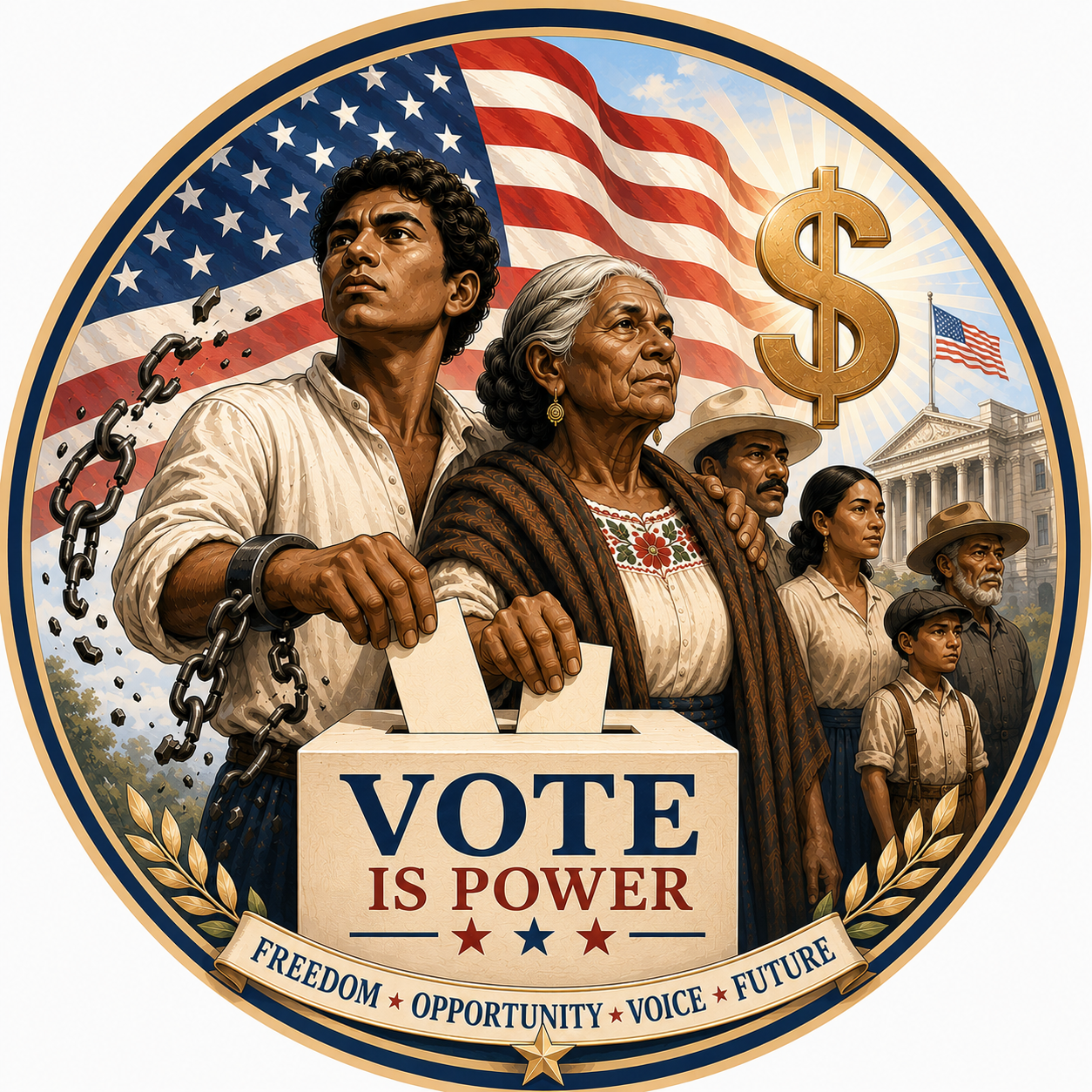
Vote is Power.