The Current Situation
The starting line now comes with a loan officer
Average published in-state tuition and fees at public four-year universities run about $11,610 a year (College Board, 2024-25). Across four years, tuition and fees alone approach $46,000 — nearly a full year of the median American wage, which was about $48,000 in 2023 (SSA). And that is before housing, books, or food.
Four years of public tuition vs. one year of median wages
Tuition and fees alone for a four-year in-state degree now rival what the median worker earns in an entire year.
Sources: College Board, 2024-25 (average published in-state tuition & fees, public four-year); Social Security Administration wage statistics, 2023. Four-year figure is simple multiplication of the annual average, shown for scale.
Why It Matters
Debt is a decision-maker. It shouldn't be.
Americans now carry over $1.6 trillion in student loan debt (Federal Reserve, 2024). Behind that number are working people whose monthly payment votes first — before the house, before the wedding, before the small business, before the kids. A payment that follows you for decades changes what you can say yes to.
We think of tuition-free public college the way earlier generations thought of free public high school: not as a giveaway, but as a workforce investment a serious country makes in its own people. The economy that working Americans carry — the nurses, electricians, teachers, coders, welders, and technicians — runs on skills. Charging the working majority a year's wages at the door is a strange way to build a workforce.
A high school diploma was once enough to buy the American middle-class life. Wherever the new starting line sits — campus, community college, or union hall — it should be open without a loan.
And this is bigger than universities. Millions of good American lives are built through apprenticeships, certificates, community college, and on-the-job training. Our platform treats those roads as equal citizens — same dignity, same public backing. College is one road, not the only road, and we refuse the snobbery that says otherwise.
Our Position
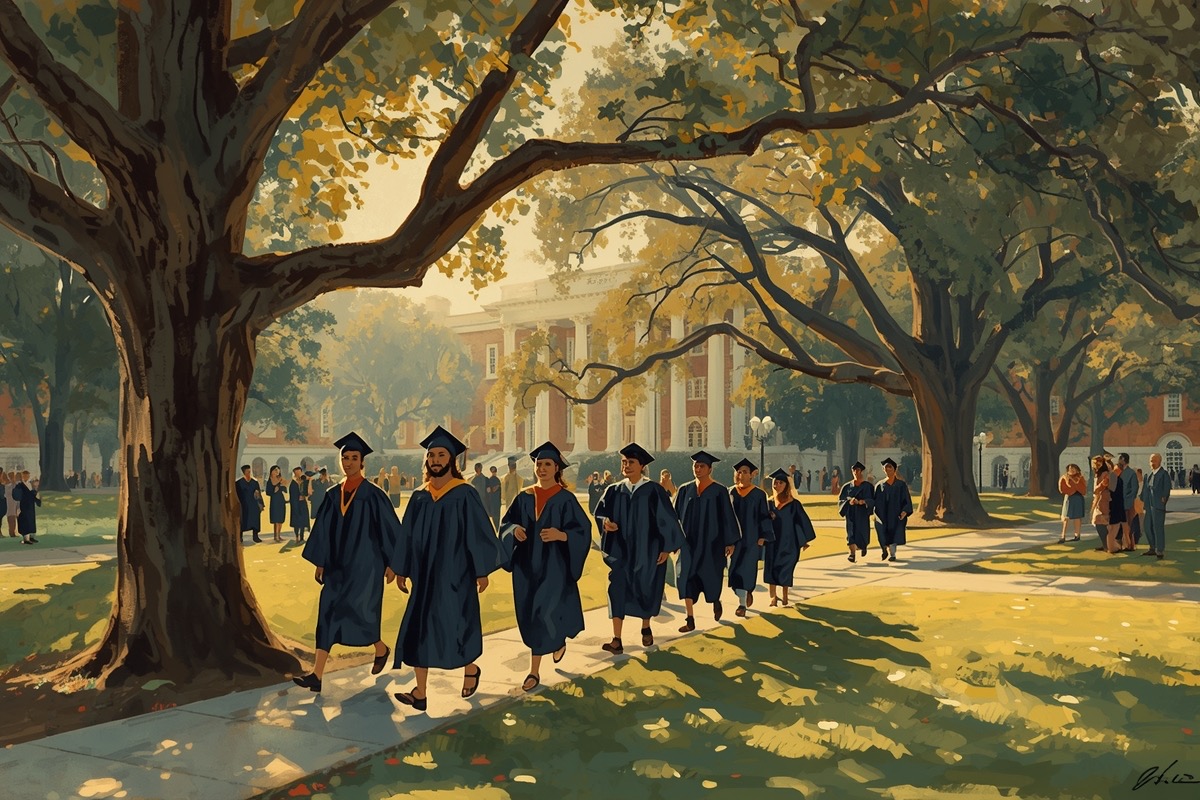
Tuition-free public college — and the trades on the same footing
This is an advocacy position of 120K or Less. It states a destination we believe in; the financing routes will be published, costed, and put to a member vote.
We support
Tuition-free four-year public college for Americans — public institutions, public investment, open doors. Private universities remain private; this plank is about the public system the working majority already owns.
We insist
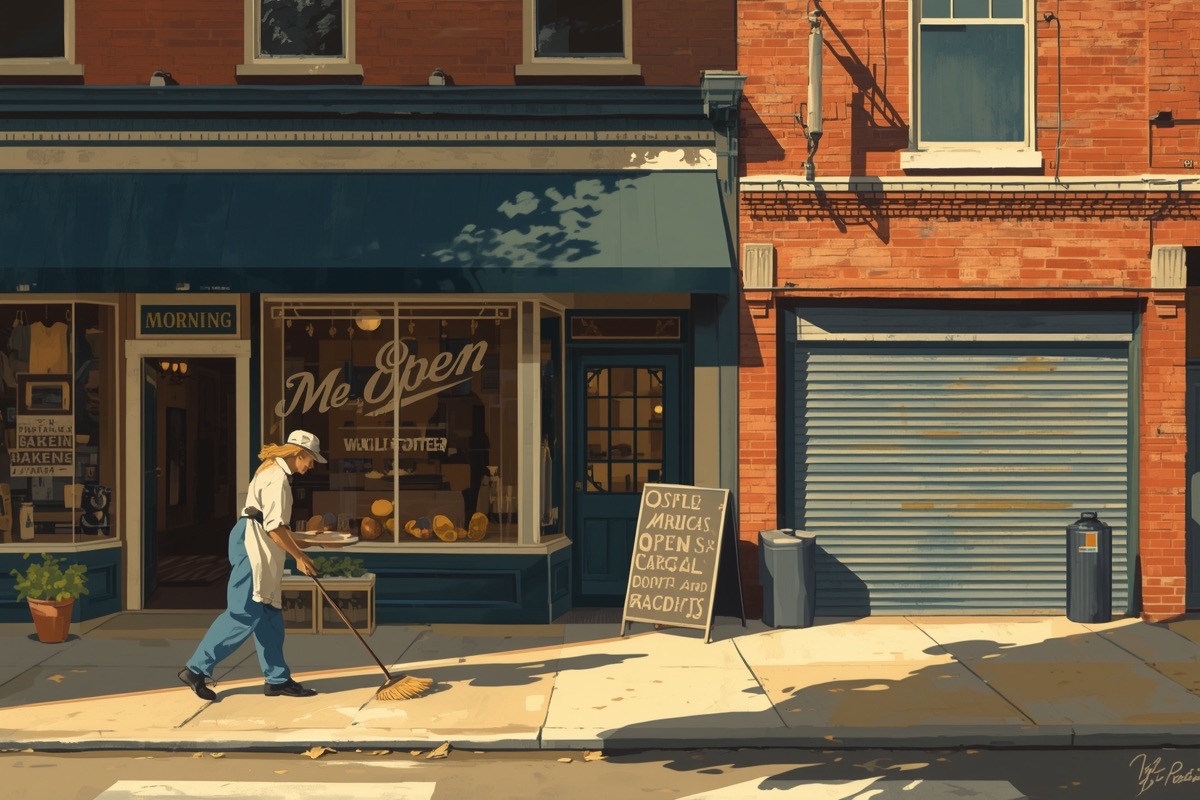
Trades, apprenticeships, community colleges, and workforce certificates stand as equal citizens — carrying the same public commitment as the four-year degree. A master electrician is not a fallback plan.
We frame it
As a workforce investment, not a subsidy. We believe an economy short of nurses, teachers, tradespeople, and technicians should stop charging its own future workforce a year's wages in tuition at the door.
We are honest
Tuition-free is not cost-free. Someone pays, and any proposal worth your vote must say who and how much. We commit to publishing costed proposals with our assumptions shown before we ask anyone to march behind them.
What It Would Mean
For a working family, the door opens
- The tuition bill leaves the kitchen table
- Today, in-state tuition and fees average about $11,610 a year (College Board, 2024-25). Under our proposal that line goes to zero at public four-year institutions. Families would still plan for housing, books, and food — we won't pretend otherwise — but the largest fixed academic cost would be gone.
- The trades get the same handshake
- The student who chooses an apprenticeship or a workforce certificate would carry the same public backing as the one who chooses a lecture hall. Equal citizens means equal investment — in tools, instructors, and training hours, not just tuition.
- The next generation starts at zero, not below it
- With more than $1.6 trillion in student debt already outstanding (Federal Reserve, 2024), we believe the least a country can do is stop adding to the pile as the price of showing up prepared for work.
Where This Stands
An honest accounting of where we are
This plank is a stated goal of a movement in formation — not current law, and not a promise of anyone's individual outcome. Here is the road as we see it.
- Today — a destination, plainly statedTuition-free four-year public college, with trades and workforce training as equal citizens, is our advocacy position. Several states already run tuition-free community college programs; a national four-year commitment would have to learn from what they've built.
- Before launch — the homeworkWe commit to publishing costed proposals: what tuition-free public college and equal trades investment would cost, who would pay, and the strongest honest arguments against — alongside the ones for.
- At launch — members decide the routeOne member, one vote. The design details — phase-in, state partnerships, how existing debt is addressed — will be shaped by member votes, not handed down.
Common questions
Does this cover private colleges?
What about people already carrying student debt?
Is "free college" fair to people who never go?
Who pays for it?
Keep Reading
Related planks of the platform

Federal Income Tax Relief
Reduce or eliminate federal income tax for earners at $120,000 or less — while fully maintaining Social Security and Medicare payroll funding.
Read the plank →
Affordable Healthcare
The average family premium hit $25,572 in 2024 (KFF). We believe care should be affordable — or free at the point of service.
Read the plank →Economic Opportunity
Better-paying jobs, lower cost of living, affordable housing, and workforce training that leads somewhere real.
Read the plank →Your Work. Your Voice. Your Future.
Open the starting line
If you believe a kid's future shouldn't be priced at a year of their parents' wages — and that a union apprenticeship deserves the same respect as a university seat — you already belong here. Membership is free, and every member gets one vote.
Membership opens at national launch. Joining the list now reserves your place.