Why $120,000?
The line isn't wealth versus poverty — it's where the working majority lives, and why one number builds one tent.

Every organization has an origin story. Ours doesn't involve a boardroom, a consultant, or a poll. It involves a kitchen table — and the slow realization that the people doing America's work had somehow become spectators in America's decisions.
Picture the scene, because you've probably lived it. It's late. The dishes are done. Spread across the table: the mortgage or rent statement, the health-insurance summary that somehow went up again, a grocery receipt that would have been unbelievable five years ago, and a paycheck stub that looks almost exactly like it did five years ago.
That table is where this organization was conceived — not as a metaphor but as a nightly fact of life for the founding team, our families, and just about everyone we know. And the numbers say that table is everywhere. Consumer prices rose about 21 percent from January 2020 to December 2024 (Bureau of Labor Statistics CPI). The median existing home now sells for about $407,000 (National Association of Realtors, 2024). The average employer family health premium reached $25,572 a year, with the worker's share around $6,296 (KFF Employer Health Benefits Survey, 2024). Meanwhile the median American wage earner brought home about $48,000 in net compensation (SSA, 2023).
You don't need an economics degree to see the shape of that. Costs sprinted. Paychecks walked. And the people living inside that gap — the overwhelming majority of everyone who works — felt something worse than squeezed. They felt unheard.
One night at that table, the question finally came out loud: if roughly 9 in 10 American wage earners make under $120,000 (SSA, 2023) — if working people are not a faction but the majority — why is there no national organization that simply represents them, as themselves?
Look around and you'll find organizations for almost everyone. Retirees have one of the most effective membership organizations in American history. Industries have trade associations. Professions have guilds and bar associations. Gun owners, realtors, small-business owners — organized, counted, and courted. But the working American majority, as a whole? More than 100 million people with no membership card, no annual convention, no seat that belongs to them.
The founding thought was almost embarrassingly simple: we are not the only ones sitting at this table. The majority doesn't need to be invented. It needs to be introduced to itself.
The majority doesn't need to be invented. It needs to be introduced to itself.
Once the question was on the table, the shape of the answer followed from a few hard commitments — things we resolved before writing a single page of this site.
You'll notice this site says, everywhere, that we are an organization in formation. That's deliberate. We could have waited to unveil a finished institution. Instead we're doing this in the open, because an organization that will belong to its members should be visible to them while it's being built.
Formation means the unglamorous work is underway: establishing the parent 501(c)(4), "120K or Less America," for membership and advocacy; a separate 501(c)(3) educational foundation for scholarships, financial literacy, and civic education; drafting bylaws worth voting on; and writing the transparency commitments — published budgets, board-minute summaries, ethics and conflict policies — that will bind us before we've raised a dollar worth hiding.
Here is the road ahead, plainly, with the caveat that honest plans carry: sequence firm, dates announced when they're real.
That's the founding story so far. A table, a question, and a refusal to accept that more than 100 million working Americans should stay unorganized in the country their work holds up. The next chapter isn't ours to write alone. It's yours.
The squeeze that started it
Costs sprinted. Paychecks walked. The full sourced picture is in the Research Center.
Keep reading
The line isn't wealth versus poverty — it's where the working majority lives, and why one number builds one tent.
One member, one vote — chapters, transparency, and the road to the first convention.
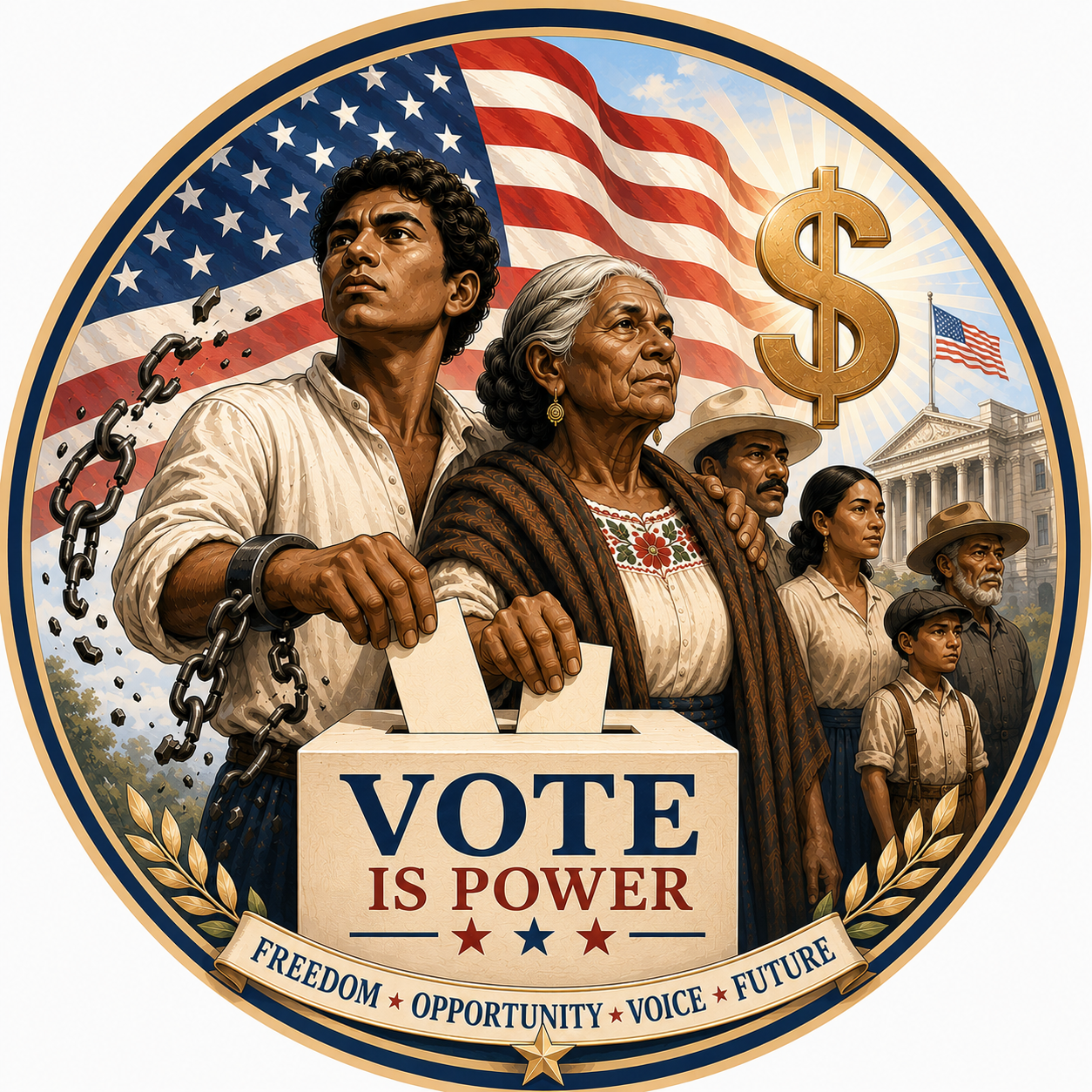
Vote is Power
About 9 in 10 American wage earners make $120,000 or less (SSA, 2023). If that's you, this organization is being built for you — and soon, by you. Membership is free and opens at national launch.