Why $120,000?
The line isn't wealth versus poverty — it's where the working majority lives, and why one number builds one tent.
Plenty of organizations say they speak for working Americans. The honest test is a structural one: who owns it? Who elects the leaders, who sees the books, and what stops it from drifting into somebody's political vehicle? This essay answers those questions for 120K or Less — as commitments we are building into the organization's legal bones, not as aspirations for a brochure.
The foundation of the whole model is four words: one member, one vote.
Not one dollar, one vote. Not one donor, one veto. A free member who joined yesterday carries the same ballot as a Patriot Circle donor giving $100 a month. Under the bylaws we are drafting, members will elect the board of directors — nine to fifteen seats — and the board will hire and oversee the executive team that runs daily operations. An advisory council drawn from business, labor, veterans, education, healthcare, public safety, small business, and agriculture will inform the work without governing it. Advice flows in; votes stay with members.
Why so insistent on this? Because the people this organization exists for — the roughly 9 in 10 American wage earners making under $120,000 (SSA, 2023) — have spent decades being spoken for by institutions they had no lever over. The lever is the point. An organization you can vote out of its own leadership is an organization that has to keep earning you.
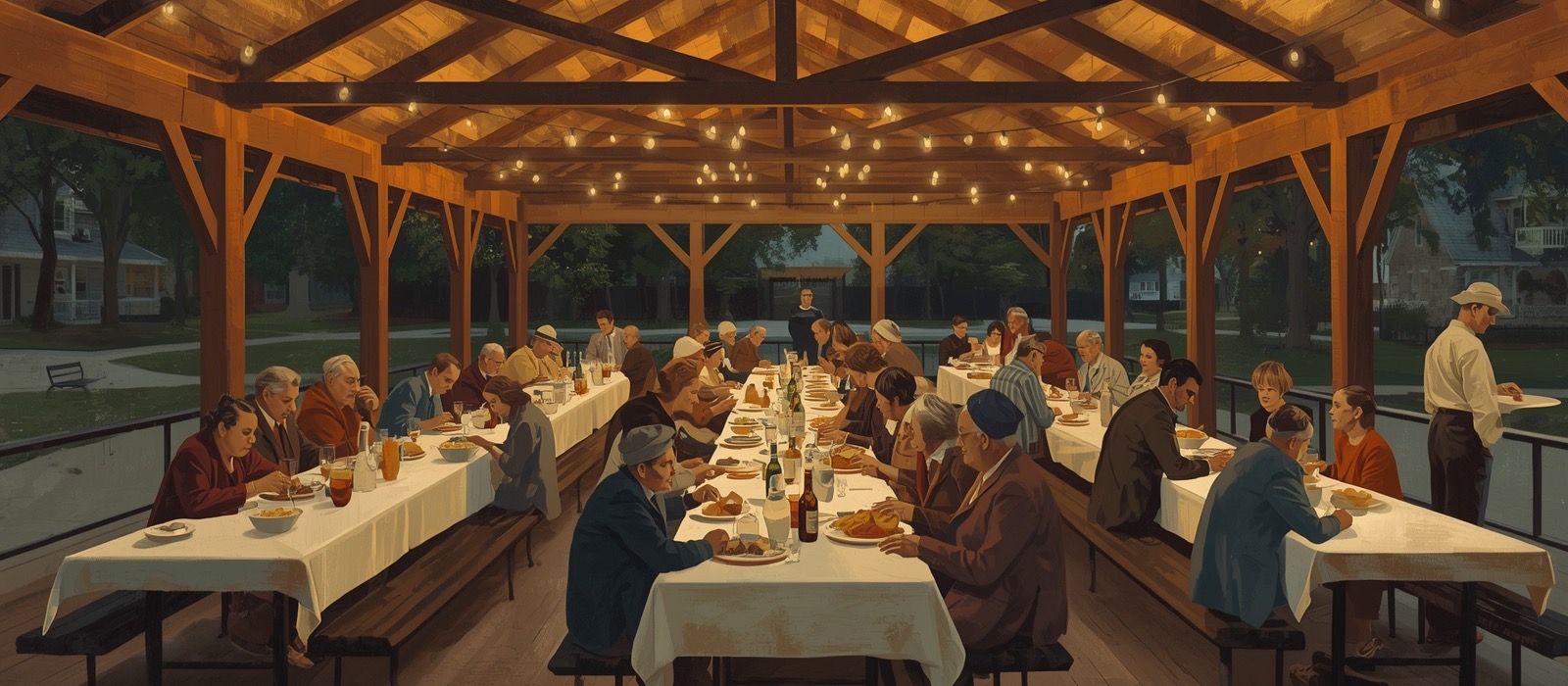
National organizations that exist only as an email list are weather. Organizations with rooms are climate. So the model is federated: state chapters, each electing its own leaders, coordinating locally — town halls, candidate-question nights, financial-literacy workshops through our planned educational foundation — while the national organization carries the shared platform.
Chapters matter for a second reason: they are the training ground for the organization's future leadership. The board members of year ten should be the chapter volunteers of year one. A movement of more than 100 million potential members (SSA, 2023) cannot be run from one office, and shouldn't be.
Every organization promises transparency. We treat it as an organizing weapon. Working Americans are — rightly — the most institutionally burned audience in the country. The only way to organize people who've been let down is to make trust checkable. So we are committing, in writing, to publish:
The same discipline governs this website today. Every statistic carries its source and year. No invented testimonials, no imaginary member counts, no countdown clocks. If we won't fudge a number to look bigger, you can believe us when the numbers are real. That's the strategy: credibility is the one asset a working-class organization can't buy and can't fake — see our transparency commitments in full.
The only way to organize people who've been let down is to make trust checkable.
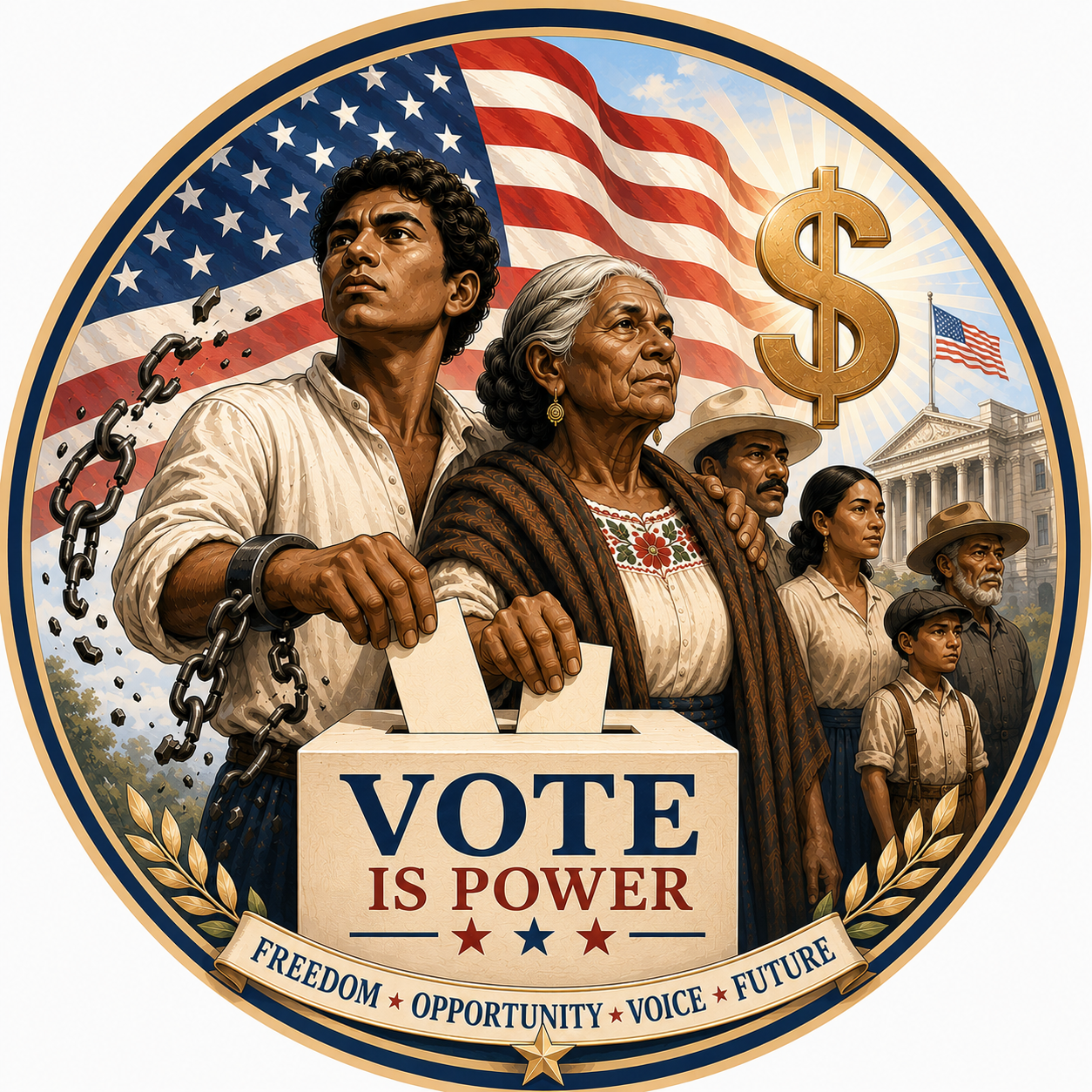
Here is the commitment: 120K or Less is forming as a 501(c)(4) social welfare organization with no political committee. We will not endorse candidates. We will not become the farm team of either party. We advocate on issues — tax relief for the working majority, affordable healthcare, free public college, retirement security, veterans, accountability — and we tell members plainly what's in legislation and who voted how. Then members do the rest. Vote is Power means their vote, informed — not our vote, delivered.
We're not naive about why this is hard. Partisanship is the gravity of American public life; every election cycle will pull at us, and any organization with a large membership becomes a prize both parties want to capture. The defenses are structural: no political committee to spend through, a member-elected board answerable to a deliberately cross-partisan membership, and a platform ratified by members rather than drafted to fit any party's agenda. Our members will disagree with each other about plenty. The organization's job is to hold the ground they share — which, on paychecks, costs, and dignity, is far more ground than cable news suggests.
The decision pipeline we're building into the bylaws is deliberately boring, because boring is what fairness looks like up close:
Everything above becomes real at the first annual convention — the constitutional moment when the founding team formally hands the organization to its members. The sequence between now and then: formation of the 501(c)(4) and the educational foundation; the founding-member period opening at national launch, free; provisional chapters standing up as membership clusters state by state; delegate and voting rules published well in advance; then the convention itself — bylaws ratified, the first board elected, the platform put to its first member vote.
We aren't announcing a date, because we don't announce what isn't real yet — the same rule that governs our statistics governs our calendar. What we can promise is the order of operations and the destination: an organization where the people who do America's work hold the gavel, read the books, and cast the votes.
That's the model. Not a savior, not a super PAC, not a brand. A structure — built so that more than 100 million working Americans (SSA, 2023) can finally act like what they are: the majority.
The model at a glance
These are structural commitments of an organization in formation — published now so members can hold us to them later. Full detail on the Transparency page.
Keep reading
The line isn't wealth versus poverty — it's where the working majority lives, and why one number builds one tent.
A kitchen table, a stack of bills, and the question that started all of this.
Vote is Power
One member, one vote — and about 9 in 10 American wage earners are eligible (SSA, 2023). Membership is free and opens at national launch. The first members will elect the first board.